

Cyberpunk 2 Not Coming Before 2028 as CD Projekt Red Plays the Long Game
CD Projekt Red has finally put a clear brake on speculation around its next big RPG. In its latest financial update, the studio confirmed that the Cyberpunk 2077 sequel – codenamed Project Orion, widely called Cyberpunk 2 – will not launch before 2028. For fans hoping for a quick return to Night City, that’s a reality check and a signal that this project is being built for the long haul.
According to CDPR’s figures, the sequel is still in pre-production. The team is currently focused on foundations: defining the new city, setting the visual direction, locking in core gameplay systems, and mapping out the overarching narrative. Around 130–135 developers are now assigned to Cyberpunk 2, with the plan to grow that number to more than 300 by 2027 across Boston (the lead studio), Warsaw, and Vancouver. 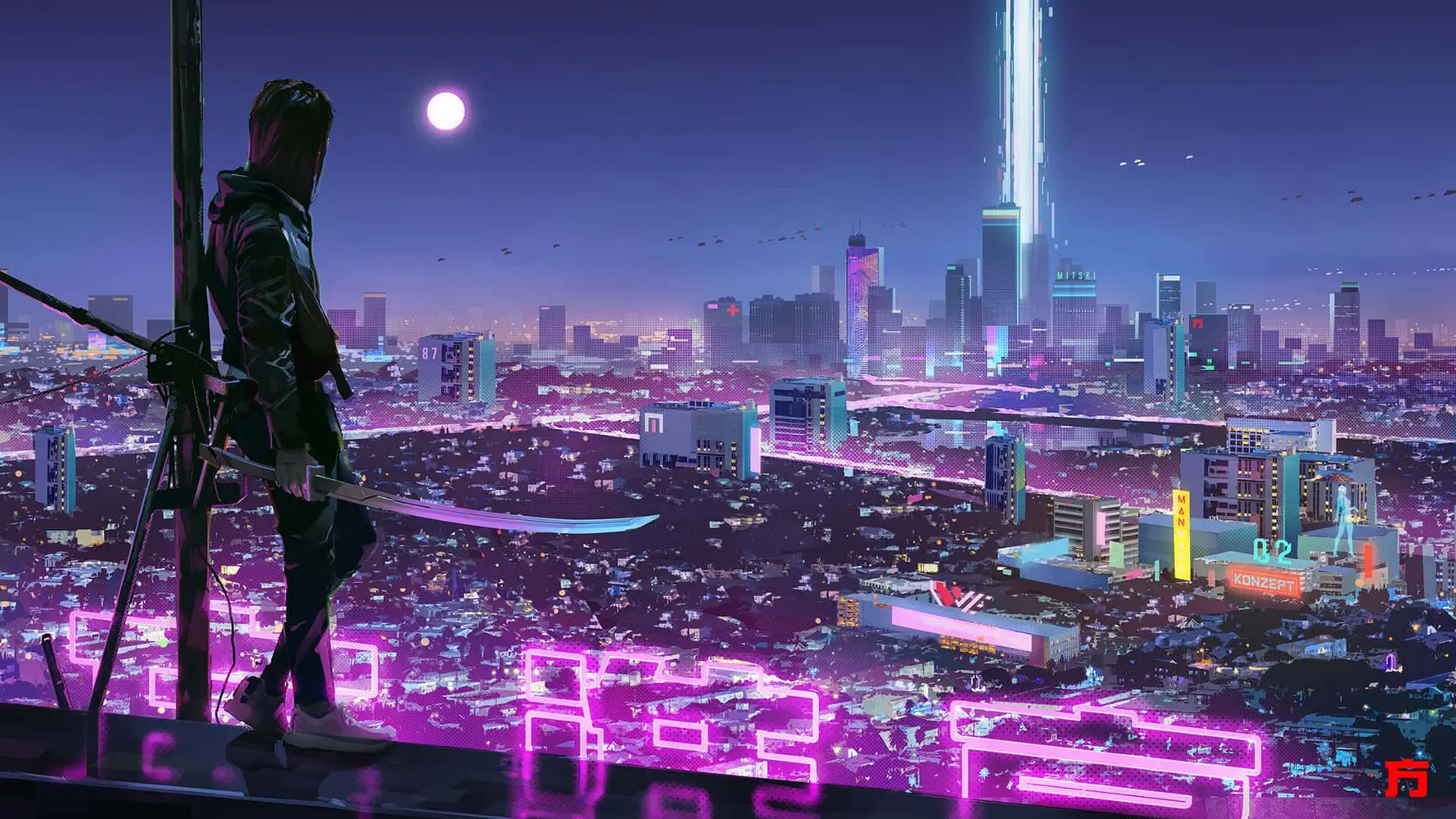
At the same time, The Witcher 4 remains CD Projekt Red’s primary project, with hundreds of developers working on it. That alone explains why the Cyberpunk sequel is moving on a slower timeline: the studio is trying to juggle two massive franchises without stretching itself too thin.
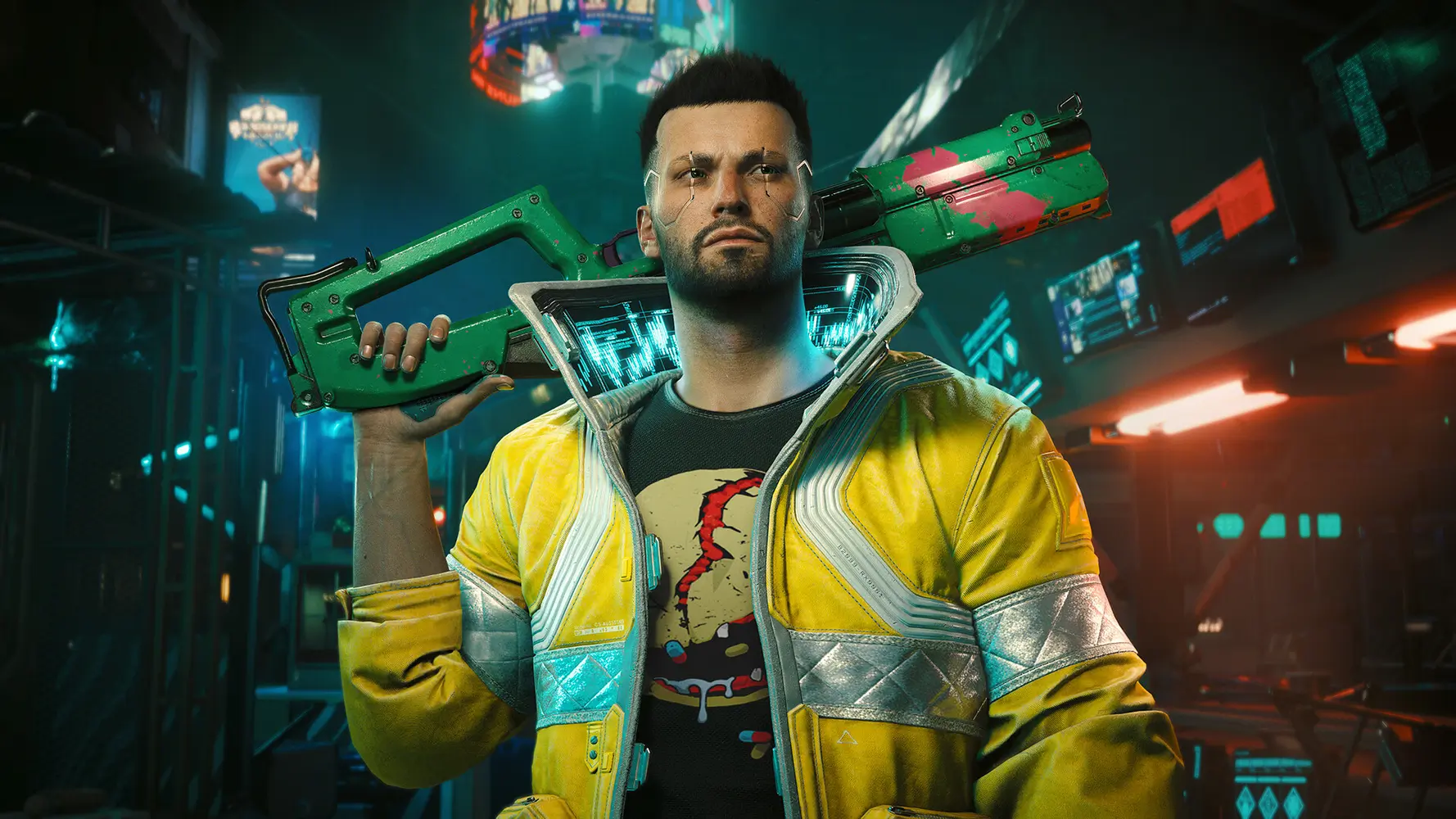
After everything that happened with Cyberpunk 2077’s launch, CDPR is clearly unwilling to rush. The original game has now sold over 35 million copies worldwide and turned into the company’s main revenue driver, thanks to next-gen upgrades, strong discounts, the Phantom Liberty expansion, and the Ultimate Edition. The comeback is real—but it came after years of patches and reputation repair, and the studio doesn’t want a repeat of that arc. 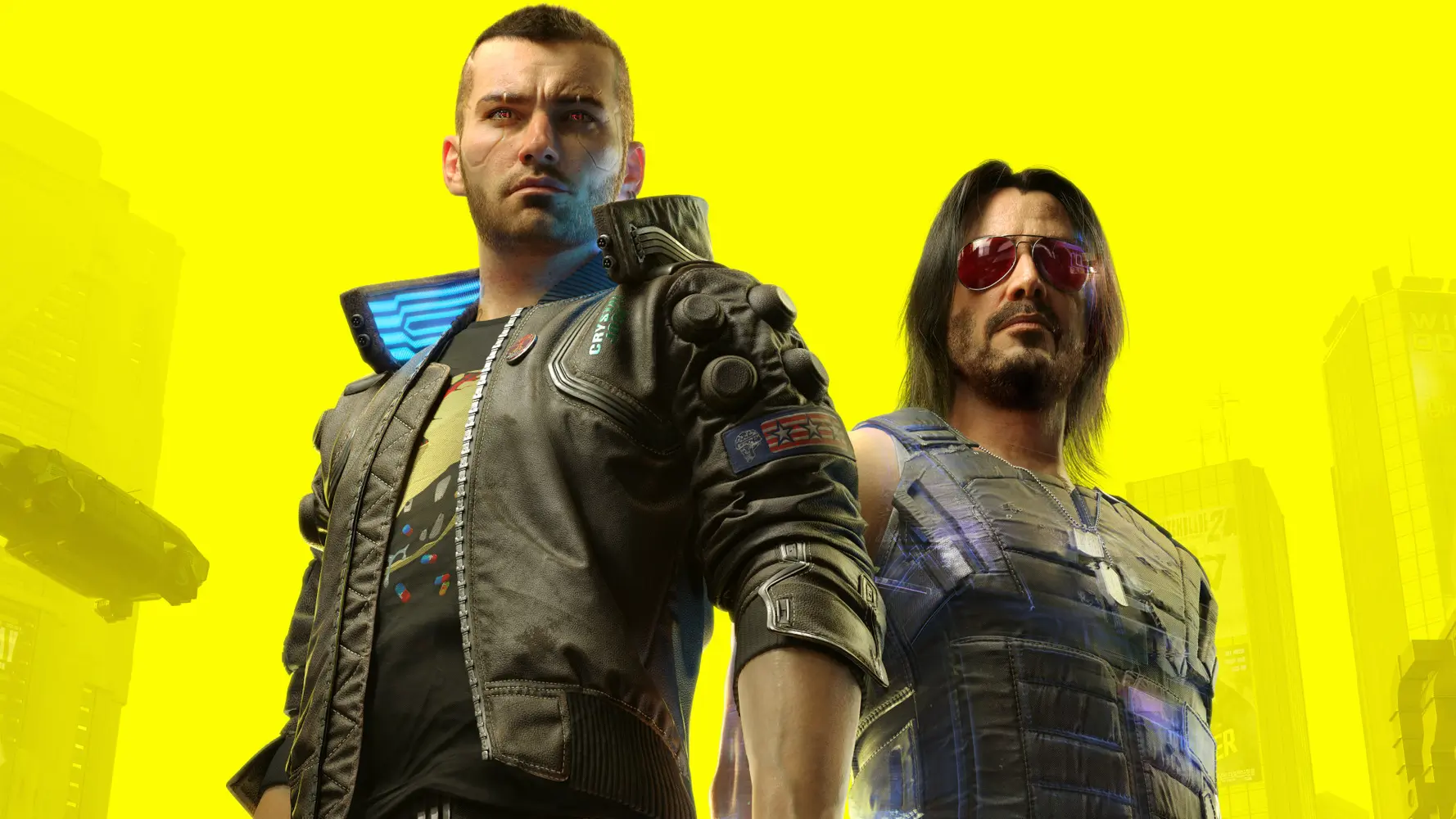
There’s also the engine shift. CD Projekt Red is now developing its future AAA titles on Unreal Engine 5 instead of its proprietary REDengine. That move brings better tools and tech but demands time for internal pipelines to adjust. The Witcher 4 is the first full test of this new setup, and Cyberpunk 2 will benefit from those lessons instead of fighting the same battles twice.
Despite its rocky start, Cyberpunk 2077 has become the backbone of CDPR’s business, delivering steady yearly sales and strong expansion performance. Phantom Liberty alone hit the 10 million mark earlier in 2025, and the base game keeps attracting new players via platform launches and subscription deals. In that light, the sequel isn’t just fan service—it’s a strategic pillar for the next decade of the studio’s output. 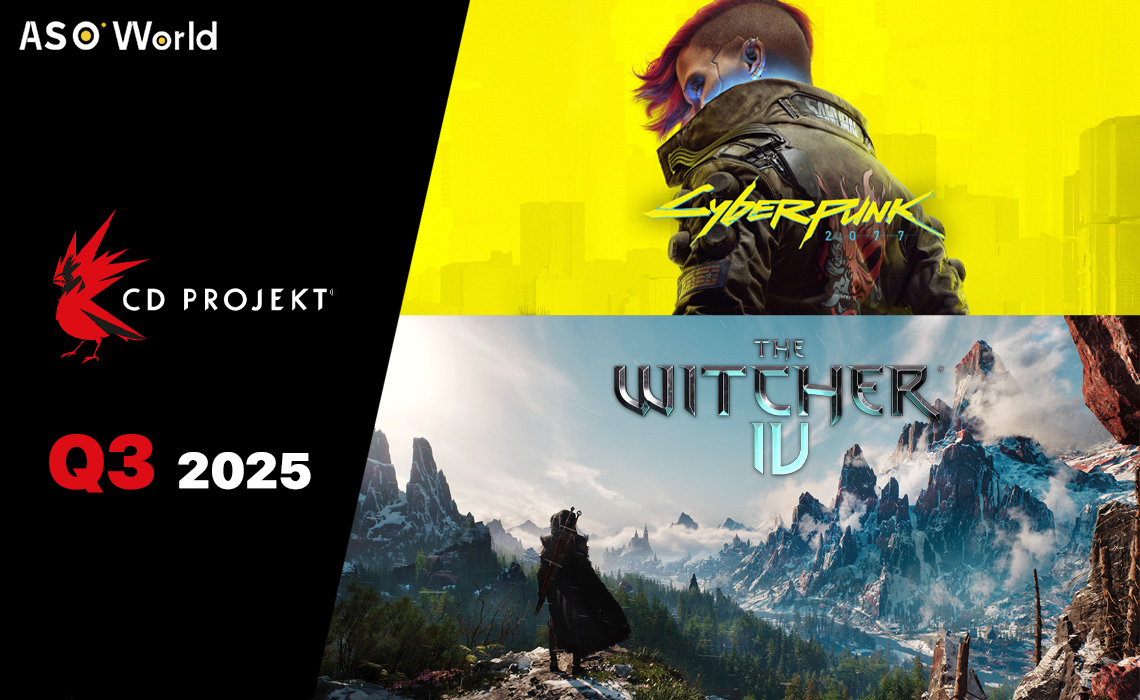
The current plan seems straightforward:
keep Cyberpunk 2077 alive through updates and bundles, let The Witcher 4 lead the next wave, and build Cyberpunk 2 quietly in the background until it’s ready to step up as the next flagship.
Official information is still limited, but based on interviews and reporting so far, a few broad expectations are forming:
A new city rather than a simple return to Night City, with a different culture, power structure, and aesthetic
Stronger emphasis on player choice shaping the world, carrying lessons from 2077’s quest design
Full exploitation of current-gen hardware for denser crowds, smarter AI, and more reactive systems
None of that is locked in until marketing begins, but the direction points toward a sequel that tries to lean into what made Cyberpunk 2077 memorable, while avoiding the missteps of its launch window.
Some fans are disappointed by the distant window; others see it as a necessary course correction. With so many major games already crowding the years ahead, Cyberpunk 2 arriving closer to the middle of the next console cycle could actually work in its favor—less as a rushed follow-up and more as a defining “event release” for whatever hardware landscape exists by then.