





Did FromSoftware Indirectly Contribute to Bluepoint’s Closure After Bloodborne Remake Rejection?
Recent reports have raised questions about whether FromSoftware may have indirectly contributed to the fate of Bluepoint Games, following the collapse of several major projects.
According to circulating information, Bluepoint went through a difficult phase after its original project stalled. The project was a live-service game set in the world of God of War Ragnarök, focused on the character Atreus. The team’s limited experience in developing this type of game led to noticeable delays in progress before the project was officially canceled in January 2025.

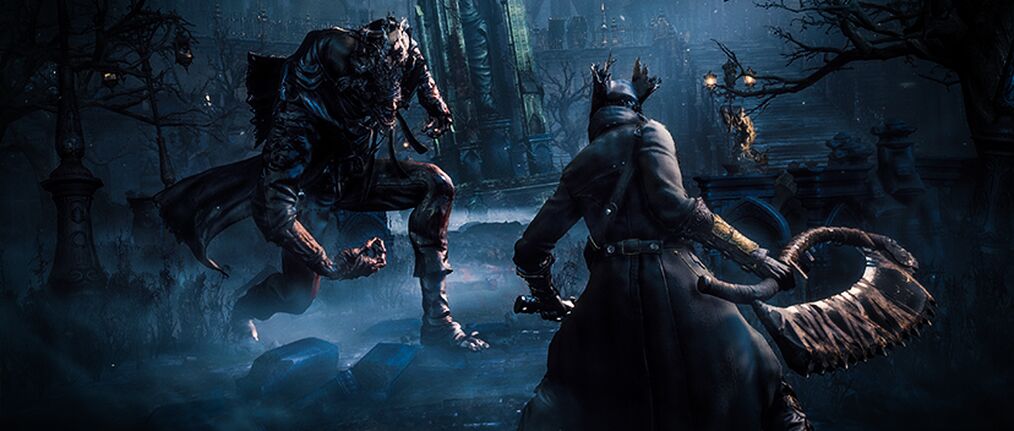
Following the cancellation, the studio proposed working on a remake of Bloodborne as a logical option to reestablish its capabilities, especially since the original game holds a strong status among players and suffers from technical limitations on modern hardware.
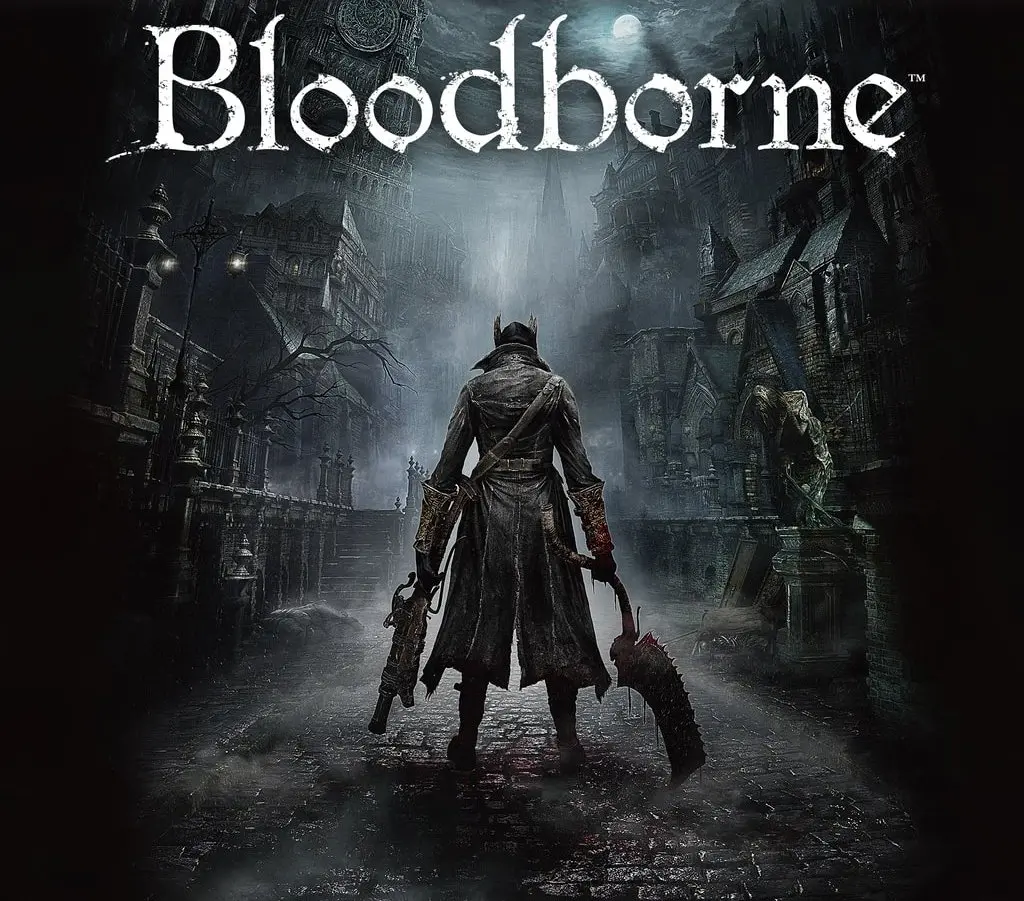
Reports indicate that PlayStation initially approved the idea, but the project did not move forward due to FromSoftware’s refusal. Although Sony owns the rights to the title, the game’s director Hidetaka Miyazaki prefers to personally oversee any potential remake. However, he is currently busy with other projects, which led Sony to respect his decision.

The rejection of the Bloodborne project deprived Bluepoint of what was described as its most realistic opportunity to regain its standing. With no new project for over a year, internal pressure continued to grow.

Ultimately, Sony concluded that the studio was no longer positioned to independently lead a large-scale original project, paving the way for the closure decision.
Although there is no official statement directly linking FromSoftware to Bluepoint’s fate, the sequence of events has raised questions about how interdependent decisions between major studios can shape the future of development teams.