





NVIDIA DLSS 5 Explained: Next-Gen AI Graphics Power Comes With Extreme Hardware Demands
NVIDIA has officially revealed its new DLSS 5 technology, representing the next generation of AI-powered graphics processing, with promises of a major leap in visual quality in games.
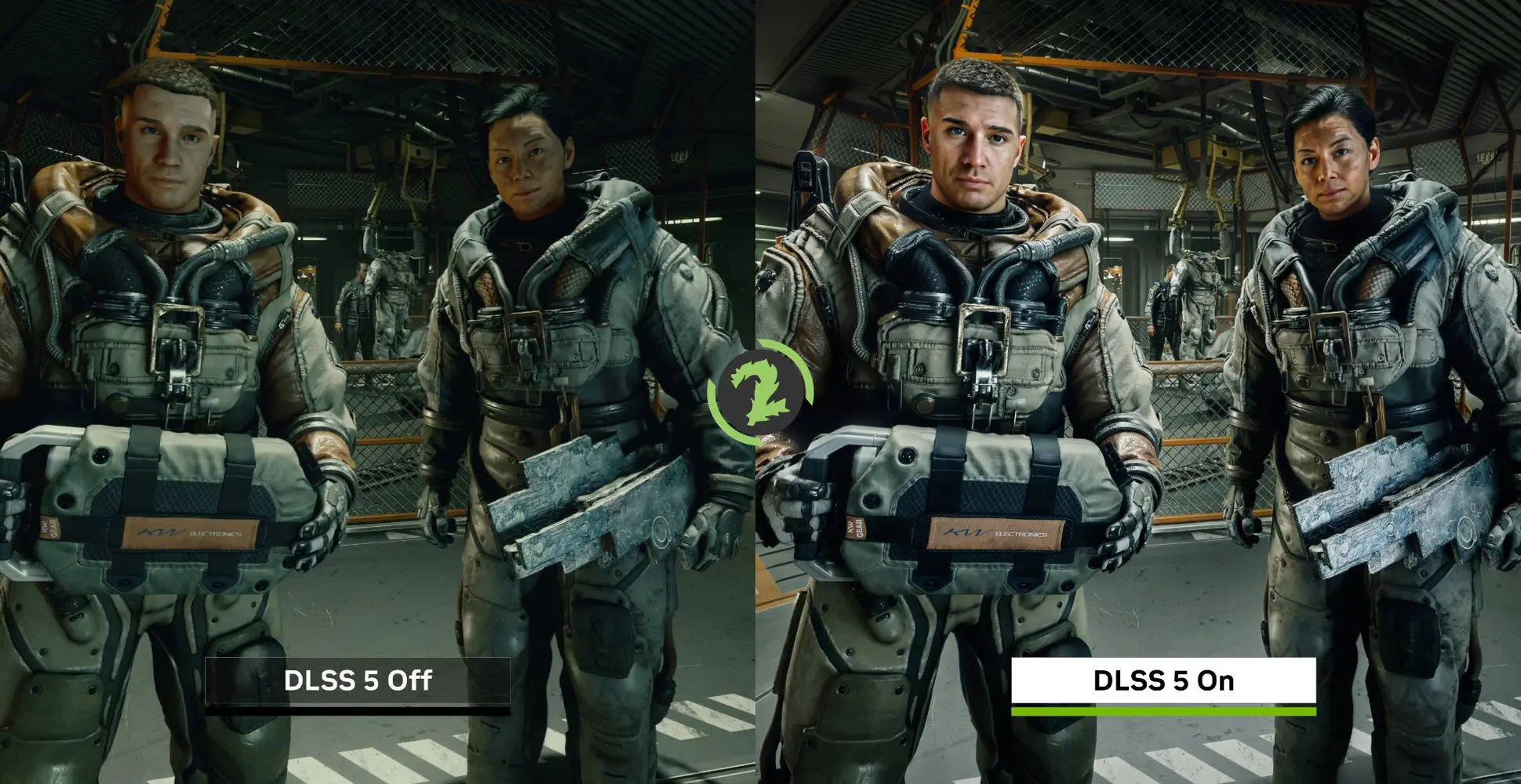
The technology was announced during the GTC conference, where DLSS 5 relies on a real-time Neural Rendering model that combines pixels, lighting, and materials into a single unified scene, aiming to deliver visuals close to cinematic production quality.
Major Evolution Since 2018
Since DLSS was first introduced in 2018, the technology has seen significant evolution. It began as a method for upscaling resolution using AI, and has since advanced to fully generating entire frames.
Today, DLSS is used in more than 750 games, making it one of the most important technologies in PC gaming.
During CES, NVIDIA showcased DLSS 4.5, which uses AI to generate 23 pixels out of every 24 displayed on screen.
A Shift Toward Full Realism
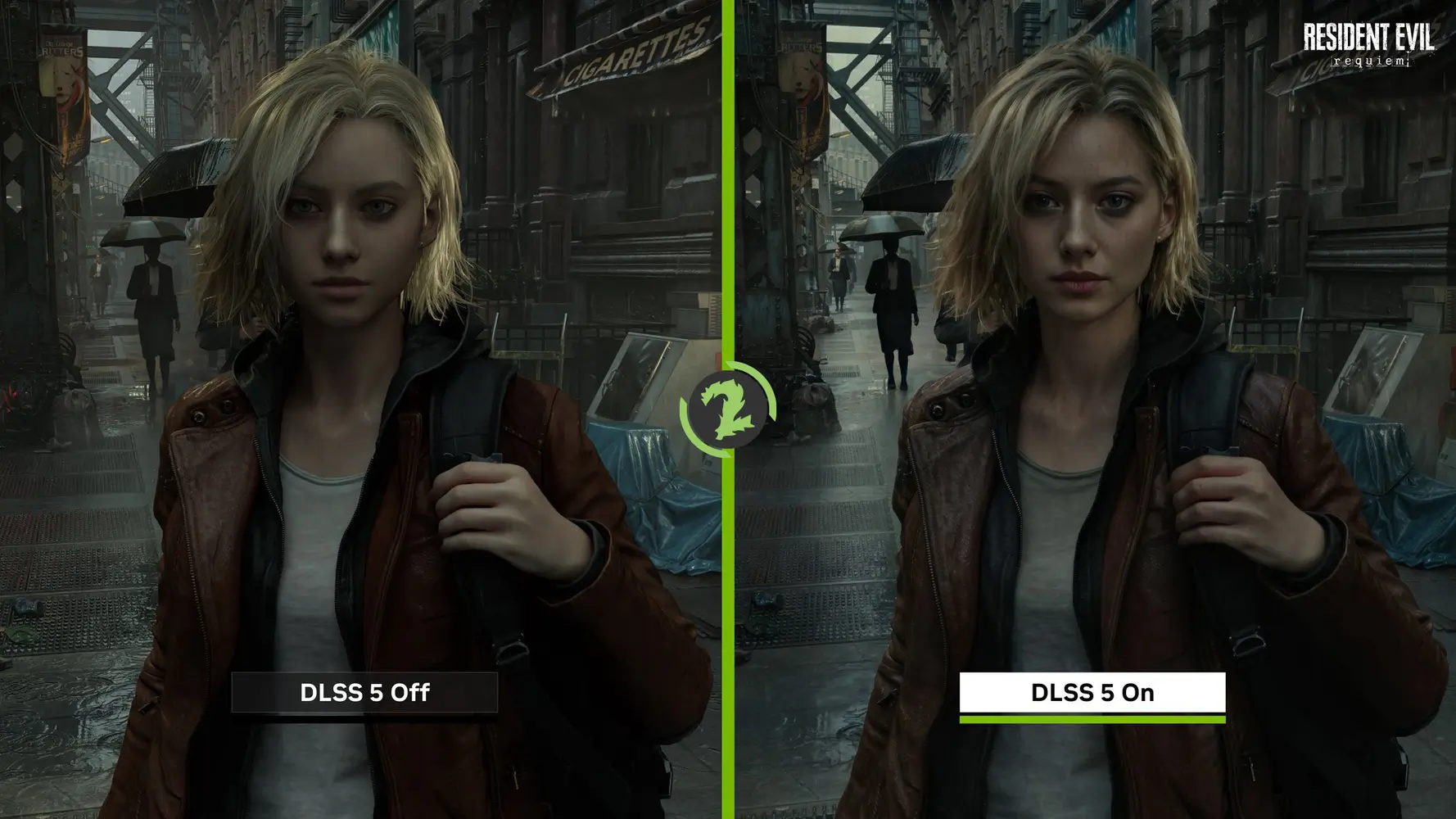
DLSS 5 focuses on delivering a complete visual experience, not just improving performance.
The technology analyzes motion, colors, and depth for each frame, then reconstructs the scene using AI, with:
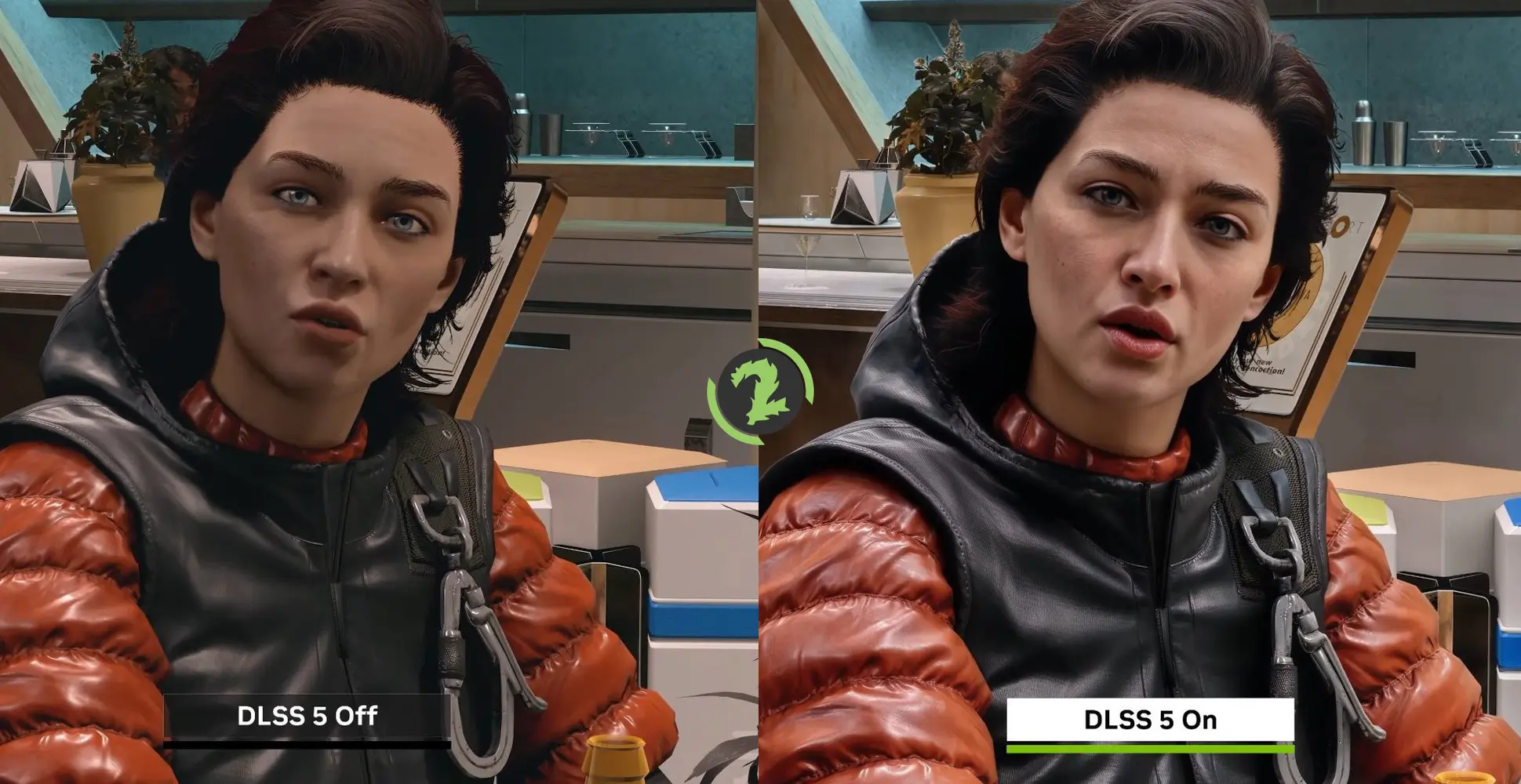
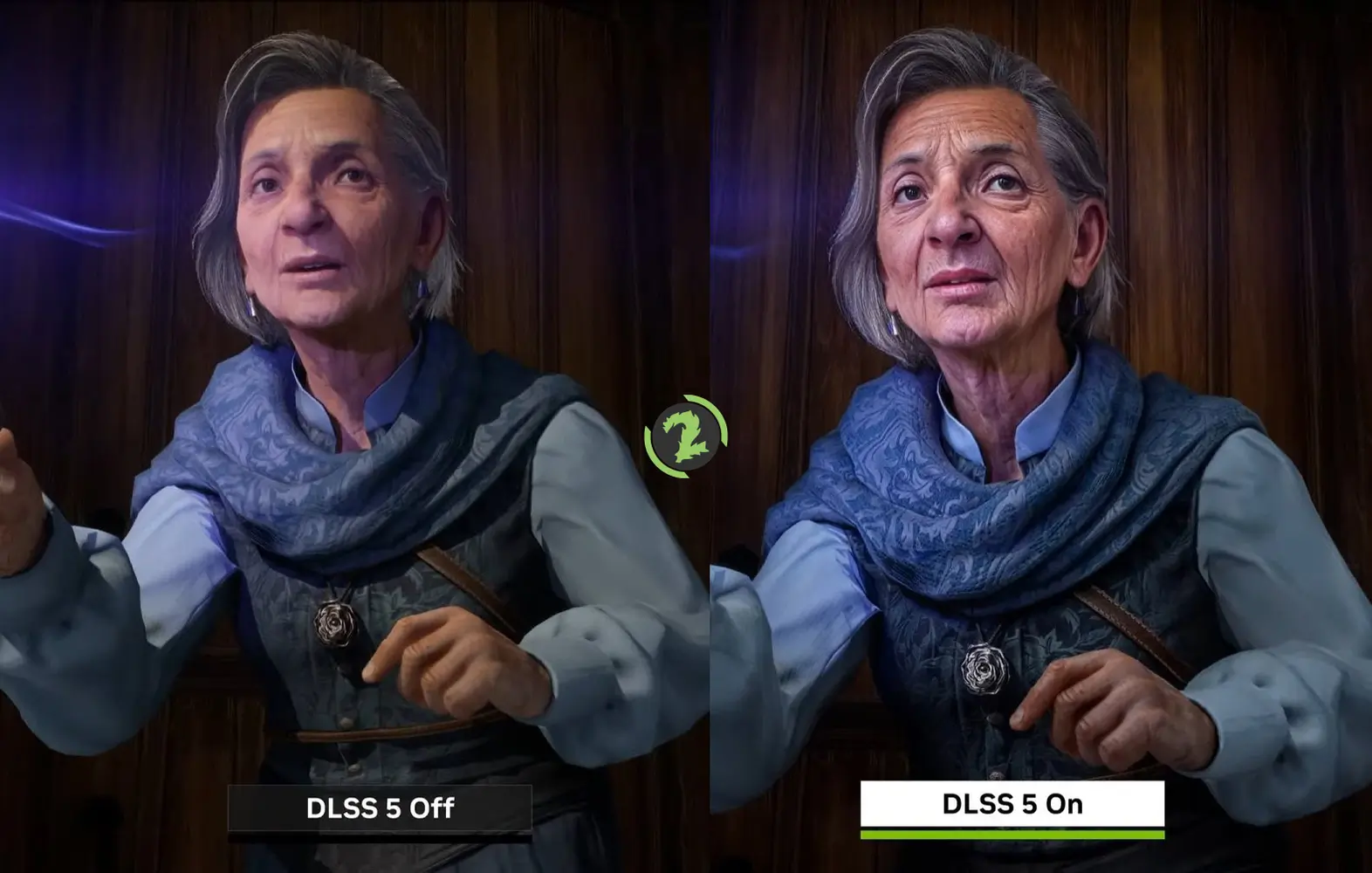
More realistic lighting
Enhanced materials
Stable performance between frames
Support for resolutions up to 4K
Technical Challenges at This Stage
Despite its potential, early demonstrations revealed clear challenges.
According to Digital Foundry analysts, the demo required two RTX 5090 GPUs to run smoothly, highlighting the high hardware demands at the moment.
However, NVIDIA is expected to optimize performance before the official release to reduce the need for such extreme hardware.
Release Window and Support
DLSS 5 is scheduled to launch in the fall, giving the company additional time for refinement.
The technology is also supported by major game companies, including:
Bethesda, CAPCOM, Ubisoft, Tencent, Warner Bros, and others.
A Step Toward the Future… But Still Early
DLSS 5 represents a major step toward the future of AI-driven graphics, but it is still in its early stages.
If NVIDIA succeeds in making it more compatible with current hardware, it could become a true turning point in gaming. For now, it offers a powerful glimpse into the future… but requires exceptional hardware to reach it.